
Homeowners often see rising utility bills despite efforts to conserve energy. The increase is not just due to energy rates but also the inefficiency of neglected home systems. Major appliances or structural components operating under strain require more resources to function. Shifting from a reactive approach to a proactive maintenance strategy effectively controls monthly costs. Regular maintenance minimizes emergency repairs and reduces overall resource consumption.
Seal Leaks and Clear Pathways to Reduce HVAC Strain
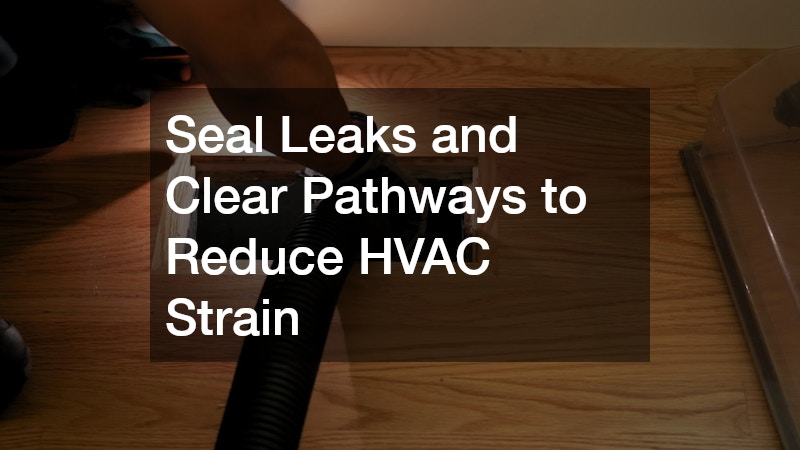
Your heating and cooling systems are the undisputed heavyweights of household energy consumption, typically accounting for roughly half of your entire utility bill. When these systems are forced to push conditioned air through choked pathways or fight against internal friction, they work overtime. This constant operational drag manifests directly as a spike in your monthly electricity or gas bill. Investing in the underlying infrastructure of your air delivery system ensures that every watt of electricity you pay for actually translates into comfort.
- Perform a thorough inspection: Inspect your primary duct joints for visible gaps, loose tape, or whistling sounds that indicate conditioned air is escaping into unconditioned spaces like attics or crawlspaces.
- Establish a strict filter regimen: Replace your HVAC filters every thirty to ninety days, depending on whether you have pets or allergy sufferers in the home, to prevent restricted airflow from overheating the blower motor.
- Clear the perimeter: Ensure that all supply vents and return grilles throughout the house are completely unblocked by furniture, heavy drapes, or thick carpeting to maintain balanced system pressure.
Over years of continuous operation, internal distribution networks accumulate thick layers of dust, pet dander, and structural debris. This buildup narrows the effective diameter of your vents, forcing the system’s fan to consume far more energy just to move air. Scheduling a comprehensive duct cleaning eliminates this restrictive friction, opening up the throat of your ventilation system and allowing air to glide freely to its destination. Furthermore, cleaner air channels mean your heating and cooling elements stay cleaner, preventing the insulating blankets of dust that destroy heat exchange efficiency.
The summer months put a distinct stress on your cooling apparatus. Without proper calibration, an air conditioner slowly loses its ability to dehumidify and cool efficiently, resulting in longer run cycles. Investing in an annual ac service before the peak heat arrives ensures that refrigerant levels are precisely balanced, electrical connections are tightened, and condenser coils are scrubbed clean. A well-tuned cooling system can easily cut your summer electrical consumption by up to fifteen percent, keeping your home crisp without draining your bank account.
Tune Burners and Modernize System Layouts for Maximum Fuel Economy
When winter arrives, the focus shifts to the efficiency of your central thermal plant. Heating a home requires a massive transfer of energy, and any inefficiency in the combustion process or heat distribution loop means fuel is literally vanishing up the chimney. Many older homes suffer from legacy configurations that were installed when energy was cheap, resulting in mismatched equipment and poorly zoned spaces that cost a fortune to operate.
- Insulate the immediate zone: Wrap the exposed hot water pipes or steam lines extending from your boiler or furnace with high-temperature foam insulation to prevent heat from radiating into an empty basement.
- Bleed your radiators: If you utilize a hydronic heating system, open the air valves on your radiators annually to release trapped air bubbles that prevent hot water from filling the entire unit.
- Calibrate your thermostat schedules: Program your setbacks so the system drops by at least seven to ten degrees when the home is unoccupied or when everyone is asleep, saving up to ten percent a year on heating costs.
In homes where the architectural footprint has evolved through additions or renovations, the original heating layout often becomes completely obsolete. Engaging a professional heating system design service can uncover massive opportunities for savings by recalculating the precise British Thermal Units required for each zone. Modern design services can pinpoint whether your current equipment is oversized, which causes short-cycling and massive fuel waste, or suggest strategic zoning modifications that allow you to only heat the rooms you are actively occupying.
For households reliant on liquid fuel configurations, the logistics of procurement and system readiness play a major role in overall affordability. Relying on emergency call-outs during a blizzard is a recipe for inflated pricing and premium service surcharges. Establishing a structured routine for home heating oil delivery guarantees that your supply remains stable and allows technicians to perform essential burner cleanings during the off-season. When your burner is precisely tuned and running on a clean, reliable fuel supply, it combusts fuel completely, generating more heat per gallon and keeping your winter expenditures predictable.
Protect External Energy Sources From Leaks and Thermal Loss

Energy efficiency does not begin at the exterior wall of your home; it starts at the point of storage. For properties that rely on self-contained fuel reserves, the integrity of the storage vessel is directly tied to your financial bottom line. Hidden leaks, vapor loss, and pressure imbalances can cause expensive fuel supplies to degrade or dissipate long before they ever reach your furnace, water heater, or kitchen range.
- Examine the structural supports: Verify that the concrete pads or blocks supporting your exterior storage vessels remain perfectly level and have not shifted due to soil erosion or frost heaving.
- Clear surrounding vegetation: Keep a clear three-foot radius around all fuel storage equipment to prevent moisture retention, rust formation, and to ensure easy access for safety inspections.
- Monitor consumption patterns: Keep a written or digital log of your fuel usage relative to the outdoor temperature to quickly spot unexplained drops in fuel volume.
Outdoor storage units are subject to intense environmental stress, from blistering summer heat to freezing winter moisture. Over time, valves can dry out, and regulators can begin to fail, allowing trace amounts of fuel to escape silently into the atmosphere. Regular professional inspections of your propane tanks ensure that the high-pressure relief valves are operating within strict parameters and that the structural walls of the container are free from deep pitting or corrosive damage. Securing these external reserves stops fuel waste at the source, ensuring that every dollar you invest in bulk fuel stays securely contained until you need it.
Clear Hidden Line Blockages and Optimize Thermal Water Delivery

Water consumption and water heating represent a significant portion of your monthly utility expenditures, second only to space conditioning. Most homeowners view water costs as static, but localized blockages and sub-optimal appliance settings cause these bills to balloon. When drainage systems slow down or water heaters fill with mineral scale, your home consumes significantly more energy and water to accomplish basic daily tasks.
- Test your overnight usage: Read your water meter right before you go to bed and first thing in the morning before using any water; if the numbers change, you have a hidden leak.
- Lower the baseline temperature: Turn down the internal thermostat of your water heating unit to one hundred and twenty degrees Fahrenheit to prevent scalding and drastically reduce standby energy loss.
- Install low-flow aerators: Fit your kitchen and bathroom faucets with high-efficiency aerators to cut your actual water volume usage in half without sacrificing noticeable water pressure.
Below the surface of your floors and yard lies a complex web of waste lines that dictate the fluid dynamics of your entire home. When waste lines become sluggish due to grease buildup or root intrusion, the resulting backpressure forces your appliances to work much harder to expel wastewater. Investing in a professional drain cleaning restores the original interior diameter of your waste lines, allowing washing machines and dishwashers to drain instantly. This lack of resistance reduces the duration of appliance cycles, lowering both the electricity consumed by internal pumps and the total volume of water required per cycle.
Similarly, the appliance responsible for warming your water requires constant upkeep to maintain its efficiency profile. Over months of boiling water, heavy minerals precipitate out of the liquid and form a thick crust at the bottom of the reservoir, creating an insulating barrier between the heating element and the water. Securing specialized water heater services to flush this sediment out of the tank restores direct thermal contact. This simple maintenance task prevents the element from burning out prematurely and significantly reduces the amount of gas or electricity needed to produce a hot shower.
Fix Attic Ventilation and Seal Structural Gaps to Stop Air Loss
The structural envelope of your home acts as a barrier against the elements, but it requires regular intervention to remain airtight. The very top of your home is particularly vulnerable; as warm air rises, it seeks out any structural flaw to escape into the atmosphere, dragging your hard-earned money along with it. If your roof deck cannot shed heat in the summer or trap it in the winter, your interior climate control systems will run continuously without ever reaching equilibrium.
- Audit your attic insulation: Peer into your attic space to confirm that your insulation completely covers the floor joists and has not become compressed, damp, or displaced by wind currents.
- Inspect the soffit pathways: Ensure that insulation batts or blown-in fiberglass have not migrated over your soffit vents, which completely chokes off the natural airflow required to cool the roof deck.
- Seal the bypasses: Use expanding spray foam or weatherstripping around attic hatches, whole-house fans, and plumbing penetrations to stop the stack effect from pulling conditioned air upward.
When a roof is compromised by curling shingles, damaged flashing, or failing underlayment, water begins to seep into the structural framing and insulation layers below. Wet insulation loses its thermal resistance almost entirely, turning a protective barrier into a thermal bridge that pulls heat directly out of your living space. Engaging comprehensive roofing services to repair minor structural flaws and optimize ridge ventilation ensures that your attic remains dry and thermally stable. A dry attic preserves the integrity of your insulation, drastically reducing the baseline workload placed on your primary heating and cooling appliances year-round.
Eliminate Mineral Scale to Maximize Appliance Lifespan and Efficiency

The invisible chemistry of the water entering your home has a profound impact on the efficiency of your plumbing infrastructure and every appliance tied to it. Hard water contains elevated levels of dissolved calcium and magnesium, which react with heat to form a rock-hard scale inside your pipes, fixtures, and internal mechanical valves. This ongoing mineral accumulation slowly chokes your home’s plumbing network from the inside out.
- Clean your fixture screens: Unscrew the small mesh screens at the tips of your faucets periodically and soak them in white vinegar to dissolve the white, crusty scale deposits that restrict flow.
- Check the laundry lines: Inspect the rubber supply hoses behind your washing machine for signs of internal stiffness or calcification, replacing them before they restrict water intake.
- Test your water profile: Use a basic water hardness test strip to determine the exact grains per gallon of dissolved minerals entering your domestic supply line.
When scale builds up inside your main distribution lines, it creates internal friction that drops your dynamic water pressure, forcing you to turn valves open further and run water longer to achieve basic rinsing tasks. Partnering with a licensed plumbing company to audit your pipes and replace heavily calcified sections can instantly restore proper volumetric flow throughout your household. These professionals can also evaluate the internal mechanisms of your toilets and major valves, ensuring that silent, slow-moving leaks are eliminated before they waste thousands of gallons of water over the course of a single year.
To permanently halt this cycle of mineral degradation and energy loss, you must address the water chemistry itself. Implementing a comprehensive water sanitizing and conditioning protocol eliminates the aggressive mineral content and biological impurities before they ever enter your appliance network. By softening and purifying the incoming supply, you ensure that the internal heating elements of your dishwasher, washing machine, and boiler remain perfectly clean. This clean environment allows for rapid, uninhibited heat transfer, reducing appliance run times, cutting your detergent usage by up to half, and adding years of efficient operational life to your most expensive household investments.
Reducing your monthly utility bills is about mechanical optimization. Every dollar you allocate to professional maintenance, precision tuning, and structural fortification acts as an investment that pays immediate, tax-free dividends on your utility statements. By adopting a proactive approach to your home’s systems, you protect your capital, stabilize your overhead, and ensure peak efficiency for decades. Focus on critical maintenance areas now, and watch your costs decrease as a result of your strategic investments.