Introduction: Building a Smarter Approach to Home Maintenance and Upgrades
Modern homeownership requires more than occasional repairs and cosmetic updates. As homes become more advanced—with integrated systems, higher energy demands, and evolving design expectations—homeowners must take a more strategic approach to maintenance and improvement. A well-maintained home is not just more comfortable to live in; it is also more efficient, safer, and better positioned to retain or increase its value over time.
Many common household issues begin subtly. A small drop in cooling efficiency, a minor leak, or early signs of wear on exterior materials can go unnoticed until they become significant problems. When homeowners adopt a reactive mindset, these issues often lead to higher costs, emergency repairs, and disruptions to daily life. A proactive approach, on the other hand, allows for early detection, better budgeting, and more thoughtful upgrades.
Today’s homes are systems-driven environments. Electrical, plumbing, heating, cooling, and structural components all interact with one another. When one system is neglected, it can place strain on others. For example, poor insulation can increase energy consumption, outdated wiring can limit appliance performance, and drainage issues can compromise both landscaping and foundation stability.
This guide is designed to help homeowners navigate these complexities with confidence. By focusing on preventative care, smart upgrades, and efficient coordination of maintenance tasks, it becomes possible to create a home that performs reliably in every season. Whether the goal is to improve comfort, enhance outdoor living spaces, or prepare for long-term ownership, a structured approach ensures better results and fewer surprises.
Maintain Year-Round Comfort with Proactive System Care
Maintaining a comfortable indoor environment requires consistent attention to heating and cooling systems. These systems are often taken for granted until they begin to fail, but regular maintenance can significantly extend their lifespan and improve efficiency.
Working with an HVAC company provides access to professional inspections, system tuning, and preventative maintenance. These services help identify minor issues before they become major problems. For example, clogged filters, dirty coils, or low refrigerant levels can reduce efficiency and increase wear on system components.
Common signs that ac repairs may be needed include uneven cooling, weak airflow, unusual noises, or rising energy bills. Addressing these issues early can prevent system breakdowns during peak usage periods.
Best practices for maintaining system performance:
- Replace air filters every one to three months
- Schedule seasonal inspections before summer and winter
- Keep vents and registers free from obstructions
- Monitor thermostat accuracy and recalibrate if necessary
Additional tips for improving efficiency:
- Seal air leaks around windows and doors
- Upgrade insulation in key areas
- Use programmable thermostats to manage energy usage
- Keep outdoor units clean and free of debris
By staying proactive, homeowners can maintain consistent comfort while reducing energy costs and avoiding unexpected repairs.
Plan Smart System Upgrades for Long-Term Efficiency
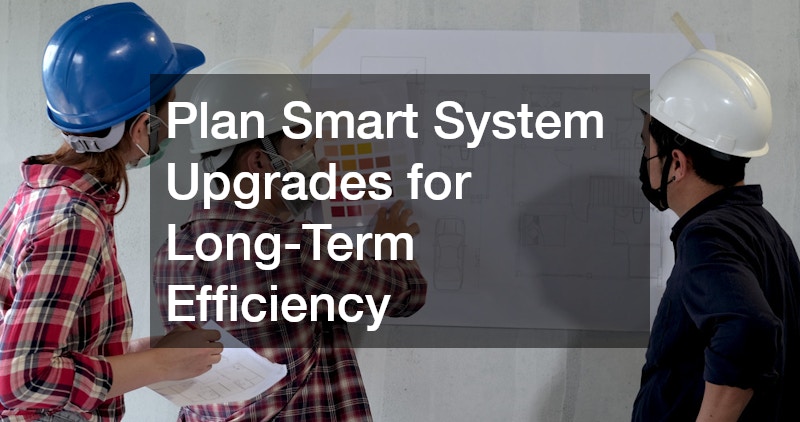
At some point, maintaining an aging system becomes less cost-effective than replacing it. Older systems tend to lose efficiency, require frequent repairs, and struggle to meet modern energy standards. Planning for hvac replacement ensures that homeowners can upgrade on their own terms rather than during an emergency.
One of the first steps in planning a replacement is evaluating current system performance. Indicators that replacement may be necessary include:
- Systems that are more than 10–15 years old
- Frequent and costly repairs
- Inconsistent temperatures throughout the home
- Rising energy bills without increased usage
Choosing the right replacement system involves more than selecting a newer model. Proper sizing is critical. An oversized system can cycle too frequently, while an undersized system may struggle to maintain desired temperatures.
Key considerations when upgrading:
- Energy efficiency ratings and long-term cost savings
- Compatibility with existing ductwork and infrastructure
- Integration with smart home technology
- Warranty coverage and expected lifespan
Installation quality also plays a significant role in system performance. Even the most efficient unit can underperform if it is not installed correctly. Working with experienced professionals ensures that the system operates as intended.
Planning ahead allows homeowners to budget effectively, compare options, and select a system that meets both current and future needs.
Ensure Electrical Safety and Support Modern Power Needs
Electrical systems are the backbone of modern homes, powering everything from lighting and appliances to heating and cooling systems. As technology evolves, the demand for electricity increases, making it essential to ensure that a home’s electrical infrastructure can keep up.
A local electrician can assess the condition of wiring, panels, and circuits to identify potential safety hazards. Older homes, in particular, may have outdated systems that are not equipped to handle modern electrical loads.
Warning signs of electrical issues include:
- Flickering or dimming lights
- Frequently tripped breakers
- Outlets that feel warm to the touch
- Burning smells or unusual buzzing sounds
Upgrading electrical systems improves both safety and functionality. This may involve replacing outdated panels, adding circuits for high-demand appliances, or installing surge protection.
Best practices for maintaining electrical systems:
- Schedule periodic inspections
- Avoid overloading circuits
- Use properly rated extension cords and power strips
- Install ground fault circuit interrupters (GFCIs) in wet areas
Planning for future needs is also important. As homeowners add new appliances, electric vehicles, or smart home devices, electrical capacity must be able to support these additions.
Protect Plumbing Systems and Improve Water Quality

Plumbing systems are essential for delivering clean water and removing waste efficiently. When problems occur, they can disrupt daily life and cause significant damage if not addressed promptly.
A plumber can identify and resolve issues such as leaks, blockages, and pressure imbalances. Early detection is key to preventing more serious problems, such as water damage or mold growth.
Common plumbing issues include:
- Dripping faucets or leaking pipes
- Slow drains or frequent clogs
- Low water pressure
- Running toilets
In addition to repairs, improving water quality is an important consideration. Water filtration systems help remove impurities, minerals, and contaminants, resulting in cleaner, better-tasting water.
Benefits of improved water quality:
- Reduced buildup in pipes and appliances
- Improved taste and odor
- Healthier water for drinking and bathing
- Extended lifespan of plumbing fixtures
Maintenance tips for plumbing systems:
- Inspect visible pipes for signs of wear
- Avoid disposing of grease or debris in drains
- Monitor water bills for unexpected increases
- Schedule regular system inspections
By combining preventative care with water quality improvements, homeowners can ensure reliable and efficient plumbing performance.
Safeguard Your Home from Water Damage and Structural Issues
Protecting a home from water intrusion is one of the most important aspects of maintenance. Moisture can compromise structural integrity, damage finishes, and create conditions for mold growth.
Roofing services play a critical role in preventing water from entering the home. Regular inspections can identify damaged shingles, deteriorated flashing, or areas where water may penetrate.
At the same time, basement waterproofing helps protect the lower levels of a home from groundwater intrusion. Without proper protection, basements can become damp, leading to structural and air quality issues.
Signs of water-related problems include:
- Water stains on ceilings or walls
- Damp or musty odors
- Visible mold or mildew
- Cracks in foundation walls
Preventative strategies include:
- Keeping gutters and downspouts clear
- Ensuring proper grading around the home
- Sealing cracks in foundations
- Installing sump pumps or drainage systems
Taking a comprehensive approach to moisture control helps protect both the structure and the health of the home’s occupants.
Design Outdoor Spaces That Balance Function and Aesthetics

Outdoor living spaces have become an extension of the home, offering areas for relaxation, entertainment, and recreation. Thoughtful design ensures that these spaces are both functional and visually appealing.
Working with landscaping businesses allows homeowners to create cohesive outdoor environments that complement the home’s architecture. This may include planting plans, irrigation systems, and decorative elements.
A patio contractor can design and build durable surfaces for outdoor living areas. Patios, walkways, and seating areas should be constructed with materials that withstand weather conditions and regular use.
Key design considerations include:
- Choosing materials that are durable and low-maintenance
- Creating zones for different activities
- Incorporating lighting for safety and ambiance
- Ensuring proper drainage to prevent water accumulation
Maintenance tips for outdoor spaces:
- Regularly clean and seal surfaces
- Trim plants and maintain landscaping features
- Inspect for cracks or wear in hardscaping
- Address drainage issues promptly
Well-designed outdoor spaces enhance both usability and property value, making them a worthwhile investment.
Coordinate Maintenance Tasks for Maximum Efficiency
Managing a home effectively requires coordination across multiple systems and tasks. Without a structured approach, maintenance can become overwhelming, leading to missed inspections or delayed repairs. Efficient coordination ensures that everything from mechanical systems to exterior upkeep is handled in a timely and organized manner.
One of the most effective strategies is creating a seasonal maintenance schedule. This allows homeowners to align tasks with weather conditions and system usage patterns. For example, cooling systems should be inspected before summer, while heating systems should be checked before winter.
Key coordination strategies include:
- Grouping related services into single appointments to reduce costs and disruption
- Scheduling inspections during off-peak seasons when contractors may have more availability
- Keeping a centralized record of all maintenance, repairs, and upgrades
- Setting reminders for recurring tasks such as filter changes or gutter cleaning
Additional ways to stay organized:
- Use digital apps or calendars to track maintenance timelines
- Create a checklist for monthly, quarterly, and annual tasks
- Prioritize tasks based on urgency and safety risks
- Review system performance regularly to identify patterns or recurring issues
Coordinating maintenance also improves communication with service providers. When multiple systems are evaluated together, professionals can identify overlapping concerns, recommend bundled services, and provide more accurate cost estimates.
A well-organized maintenance plan reduces stress, prevents overlooked issues, and ensures that the home remains in optimal condition throughout the year.
Budgeting for Repairs, Upgrades, and Outdoor Projects
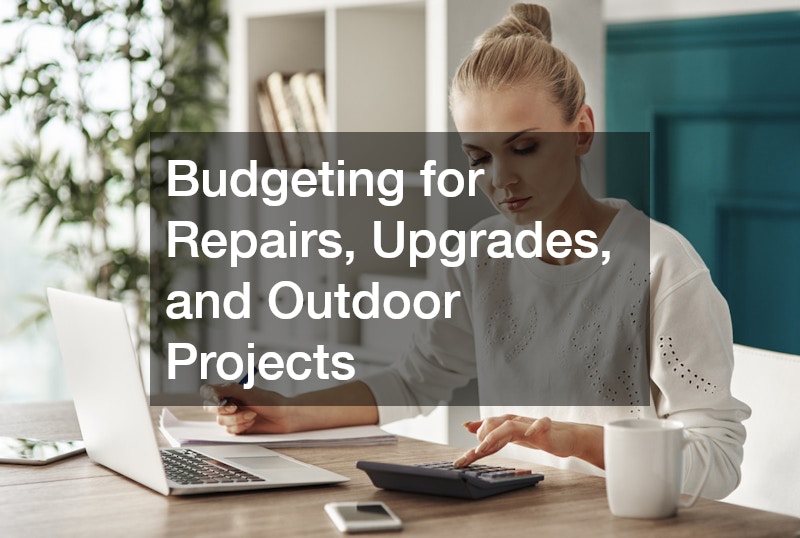
Financial planning is a critical component of responsible homeownership. Without a clear budget, even routine maintenance can become a burden, and unexpected repairs can create significant financial strain. Establishing a structured budgeting strategy allows homeowners to manage expenses while still investing in necessary improvements.
One of the most effective approaches is setting aside a dedicated home maintenance fund. This fund should cover both expected costs—such as routine servicing—and unexpected repairs that may arise.
Smart budgeting strategies include:
- Allocating a fixed percentage of monthly income for home-related expenses
- Planning for both short-term maintenance and long-term upgrades
- Comparing multiple contractor estimates to ensure fair pricing
- Prioritizing essential repairs before cosmetic improvements
Additional financial tips:
- Build an emergency fund specifically for major repairs
- Take advantage of off-season discounts for certain services
- Break large projects into phases to spread out costs
- Track all expenses to identify trends and improve future planning
Understanding the difference between necessary repairs and optional upgrades is also important. While aesthetic improvements can enhance enjoyment, structural and system-related issues should always take priority.
By maintaining a clear financial plan, homeowners can make informed decisions, avoid unnecessary debt, and ensure that their property remains in excellent condition over time.
Increase Property Value Through Strategic Improvements
Increasing a home’s value requires a combination of consistent maintenance and thoughtful upgrades. Buyers are more likely to invest in properties that are well cared for, efficient, and visually appealing. Strategic improvements not only enhance daily living but also contribute to long-term financial returns.
High-impact improvements often focus on areas that combine functionality with aesthetics. Kitchens, bathrooms, and outdoor spaces are particularly influential, but system upgrades and structural maintenance are equally important.
Key factors that drive property value include:
- Well-maintained and updated mechanical systems
- Clean, modern interior finishes
- Strong curb appeal and exterior condition
- Energy-efficient features that reduce operating costs
Practical strategies for increasing value:
- Address minor issues promptly to prevent larger problems
- Choose neutral design elements that appeal to a wide range of buyers
- Maintain consistent upkeep of both interior and exterior spaces
- Keep detailed records of all repairs, upgrades, and inspections
Energy efficiency has become an increasingly important consideration for buyers. Upgrades that reduce energy consumption—such as improved insulation or efficient systems—can make a home more attractive in the market.
Consistency is key. A home that is regularly maintained and thoughtfully upgraded will stand out compared to one that has been neglected or updated inconsistently.
Conclusion: Creating a Comfortable, Efficient, and Modern Home
A well-maintained home reflects a balance of care, planning, and informed decision-making. Rather than approaching maintenance as a series of isolated tasks, modern homeowners benefit from viewing their property as a connected system that requires ongoing attention and coordination.
Each improvement, whether small or large, contributes to the overall performance of the home. Mechanical systems ensure comfort, structural components provide stability, and outdoor spaces enhance usability and enjoyment. When these elements are properly maintained and upgraded over time, they create a living environment that is both reliable and adaptable.
One of the most valuable habits homeowners can develop is consistency. Regular inspections, timely repairs, and proactive upgrades prevent small issues from escalating into major problems. This approach not only saves money but also reduces stress and disruption.
Financial planning also plays a central role in long-term success. By budgeting for maintenance and improvements, homeowners can make thoughtful decisions without feeling pressured by unexpected expenses. This allows for steady progress and better outcomes over time.
Ultimately, a home should serve as a place of comfort, security, and long-term value. With a structured approach to maintenance, upgrades, and outdoor living, homeowners can create a space that meets their needs today while remaining prepared for the future.