
Modernizing a home does not have to mean tearing everything down and starting over. In many cases, the most effective improvements come from identifying the areas that affect daily comfort, energy use, storage, maintenance, and overall functionality. A home can look attractive while still having outdated systems, inefficient layouts, poor insulation, or exterior components that are nearing the end of their useful lives.
A thoughtful modernization plan considers both the inside and outside of the property. Structural repairs and mechanical improvements may need to come before cosmetic projects. At the same time, relatively small changes to storage, natural lighting, or outdoor living areas can dramatically improve how the home feels.
Rather than chasing every new design trend, homeowners can get better long-term results by focusing on improvements that solve real problems. Start by evaluating what is outdated, what causes frustration, what requires frequent maintenance, and which upgrades could improve several aspects of the home at once. From there, projects can be prioritized based on urgency, budget, and their effect on everyday living.
Clear Out Unused Items Before Starting Major Improvements
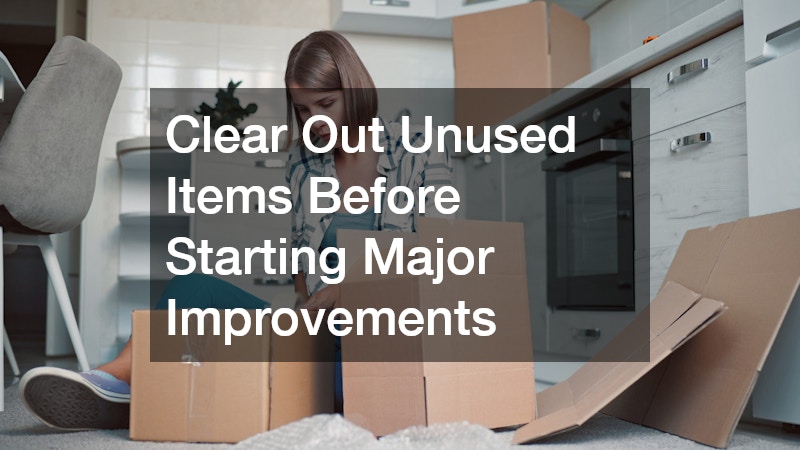
Before installing new finishes or redesigning rooms, take a close look at how much space is being occupied by things you no longer need. Garages, basements, attics, closets, and spare rooms can gradually become storage areas for broken furniture, outdated electronics, leftover building materials, unused appliances, and belongings that have not been touched in years.
Decluttering before renovating has several advantages. It allows you to see the actual dimensions and condition of a space, makes it easier for contractors to work, and prevents you from designing new storage around items you never intended to keep.
Start by separating belongings into a few simple categories:
- Items you actively use and want to keep
- Items that can be donated
- Items worth selling
- Materials that can be recycled
- Broken or unusable belongings that need disposal
- Construction debris or bulky items requiring special handling
Large cleanouts can quickly become difficult to manage with normal household trash service. Hiring a junk removal company can make sense when you are dealing with old mattresses, appliances, damaged furniture, renovation debris, or a large volume of material. Professional removal can also save homeowners from making repeated landfill or transfer-station trips.
Once the area is empty, avoid immediately filling it again. Install shelving, wall-mounted storage, bins, cabinets, or overhead racks that give every commonly used item a defined location. The goal should be to create usable living and storage space rather than simply finding a more organized way to keep unnecessary belongings.
Bring More Natural Light Into Dark Interior Spaces
Natural light can change the way a home feels without requiring major structural alterations. Older homes often have smaller windows, closed-off rooms, dark hallways, or interior walls that prevent daylight from traveling through the house.
Begin by identifying the darkest areas during different times of day. Sometimes the solution is as straightforward as replacing heavy window coverings, trimming exterior vegetation, painting a room a lighter color, or repositioning large furniture that blocks incoming light.
More substantial projects can use custom glass to increase openness while still maintaining separation between rooms. Glass can work particularly well in shower enclosures, stair railings, interior doors, office partitions, cabinets, and decorative panels. Frosted, textured, or partially obscured options can also introduce light into bathrooms and private areas without creating unwanted visibility.
Existing windows deserve attention as well. Drafts, rotting frames, difficult operation, damaged seals, and condensation between panes can indicate that replacement may be worthwhile. Homeowners researching window companies near me should compare more than the initial installation price. Ask about frame materials, glass packages, energy ratings, warranties, installation procedures, and how the new windows will be sealed against air and water intrusion.
Window style matters too. Casement windows may provide excellent ventilation, while larger fixed windows can maximize views and daylight. In some rooms, combining operating and fixed units provides the best balance.
Thoughtfully improving natural light can make rooms feel larger, reduce dependence on artificial lighting during the day, and update both the interior and exterior appearance of the property.
Address Roof Problems Before Cosmetic Exterior Projects

Exterior modernization should begin with components that protect the structure. Painting trim, replacing siding, or installing new landscaping may improve curb appeal, but those investments can be compromised if water is entering through an aging roof.
Homeowners can perform basic visual inspections from the ground several times a year. Look for missing shingles, curling edges, damaged flashing, sagging areas, moss growth, overflowing gutters, or visible deterioration around vents and chimneys. Indoors, pay attention to ceiling discoloration, peeling paint, damp insulation, musty odors, or unexplained moisture in the attic.
A roofing company can provide a closer inspection when the roof is older, has experienced severe weather, or shows signs of leakage. Professional evaluation is especially important because the location where water appears inside the home may be far from the actual point where it entered the roof.
When roof replacement becomes necessary, consider attic ventilation and insulation at the same time. An otherwise attractive new roof will not solve comfort or moisture problems caused by inadequate ventilation or significant air leakage.
Taking care of protective systems first gives homeowners a sound foundation for the more visible exterior improvements that follow.
Coordinate Exterior Repairs in the Right Order
Homes function as interconnected systems, which means exterior projects should rarely be planned in isolation. Roof drainage affects siding and foundations. Window installation may affect trim. New siding may require changes around doors, vents, utility penetrations, and flashing.
Before beginning work, walk around the property and document the condition of the major exterior components. Photographs can help track deterioration and make it easier to compare changes from year to year.
If significant roof repairs or replacement have been recommended, obtaining another estimate from a roofing company can help homeowners compare proposed solutions, materials, warranties, and the scope of work. A second assessment may also be worthwhile when the source of moisture is unclear.
This order minimizes the risk of damaging newly completed work when more urgent repairs are performed later.
It also helps to select exterior colors and materials as part of one overall plan. Even if projects are completed over several years, keeping records of manufacturers, paint colors, product lines, and finishes can create a much more cohesive final appearance.
Improve Year-Round Indoor Comfort and Energy Performance

An attractive kitchen or beautifully renovated living room will still be frustrating if the space is constantly too hot in summer or too cold in winter. Heating and cooling performance should therefore be part of any serious modernization strategy.
Begin by reviewing your energy use and comfort throughout the year. Notice whether particular rooms have temperature differences, whether equipment runs continuously during extreme weather, and whether utility or fuel consumption has increased over time.
Homes that rely on heating oils may benefit from reviewing both equipment condition and fuel usage. Older boilers or furnaces can sometimes operate for decades, but that does not necessarily mean they are operating efficiently. Regular maintenance, burner adjustments, air sealing, improved insulation, and updated controls may reduce unnecessary fuel consumption.
Cooling and forced-air systems deserve similar attention. An HVAC company can evaluate equipment condition, airflow, ductwork, refrigerant systems, thermostat placement, and whether the existing system is properly sized for the house.
Homeowners should avoid assuming that larger equipment will automatically improve comfort. Oversized equipment can cycle on and off too quickly, potentially creating uneven temperatures or humidity problems.
Major renovations are also an ideal time to consider mechanical changes. Walls and ceilings that are already open may provide better access for ductwork, electrical wiring, insulation, and ventilation upgrades.
Make the Garage More Useful for Everyday Life
The modern garage can serve many purposes beyond parking vehicles. Depending on the household, it may function as a workshop, gym, hobby area, storage room, children’s activity space, or temporary entertaining area.
Start by improving organization. Wall-mounted storage systems can keep tools, bicycles, sports equipment, and lawn supplies off the floor. Overhead racks can provide storage for seasonal items that are only needed occasionally. Brighter LED lighting and strategically placed electrical outlets can also make the room substantially more practical.
Homeowners who like opening the garage while working or entertaining may find garage door screens helpful. Screening can provide airflow while reducing mosquitoes, leaves, insects, and other debris entering the space. Some systems retract when not needed, allowing the garage to continue functioning normally.
The primary door and opener should also be evaluated before investing heavily in the space. A garage door company can inspect problems such as worn rollers, broken springs, damaged tracks, failed weather seals, malfunctioning safety sensors, or doors that no longer remain properly balanced.
Replacing an outdated door can improve both everyday convenience and curb appeal because the garage often occupies a substantial portion of the front elevation.
For homeowners who frequently use the garage for activities, consider improving flooring, insulation, ventilation, and wall finishes as well. Even relatively modest upgrades can transform a cluttered utility area into one of the most flexible spaces in the house.
Create Outdoor Areas You Can Use Throughout the Day

Outdoor living spaces are most valuable when they are actually comfortable enough to use. A beautifully furnished deck or patio may sit empty during much of the summer if direct sun makes the area unpleasant from late morning through the afternoon.
Before adding shade, observe the space at different times of day. Note where sunlight enters, how the angle changes seasonally, and whether prevailing winds or nearby trees affect the area.
For some properties, a retractable awning install can provide flexible coverage without permanently shading windows or outdoor spaces. The awning can extend during the hottest parts of the day and retract when homeowners want more sunlight or an open view of the sky.
Other possibilities include pergolas, umbrellas, shade sails, covered porches, and permanent patio roofs. The right solution depends on budget, weather exposure, architecture, and how the space is used.
Additional improvements can make outdoor spaces more comfortable and functional:
- Install exterior-rated ceiling or wall fans where appropriate.
- Add layered lighting for pathways, dining, and conversation areas.
- Provide convenient weather-resistant electrical outlets.
- Choose furniture designed for the local climate.
- Add privacy screening where neighboring properties are close.
- Incorporate storage for cushions, tools, and outdoor accessories.
- Improve drainage so water does not collect near seating areas.
- Consider outdoor cooking or serving areas for frequent entertaining.
Often, improving an existing patio or deck provides better value than constructing an entirely new outdoor structure. Shade, lighting, furniture, and thoughtful landscaping may be enough to turn an underused area into an extension of the home’s living space.
Build a Modernization Plan Around Real Household Needs
Home improvements are easiest to manage when they follow a long-term plan rather than a series of unrelated purchases. Before selecting finishes, create a list of the problems you actually want to solve.
Divide projects into three categories: urgent repairs, comfort and efficiency improvements, and lifestyle or appearance upgrades. Water intrusion, structural deterioration, electrical concerns, and failing mechanical systems should generally come before decorative work.
Next, consider how projects interact. If you plan to replace windows in two years, for example, it may make sense to postpone expensive exterior trim work around those openings. If a basement renovation is planned, address moisture and insulation before installing finished walls and flooring.
Budgeting should also include contingency money. Renovations can expose hidden water damage, outdated wiring, deteriorated framing, or other conditions that were not visible when the original estimate was prepared.
When selecting expensive components, prioritize durability and timeless design. Trend-driven colors and decorative details can be introduced through paint, lighting, hardware, furniture, and accessories that are easier to change later.
Finally, consider how your household may change. A home that works well today may need to accommodate remote work, children, older family members, hobbies, entertaining, or reduced mobility in the future. Wider pathways, better lighting, flexible rooms, accessible storage, and low-maintenance exterior materials can make the property easier to live in over the long term.
Modernizing a home successfully is less about making everything new and more about making everything work better. The most valuable improvements often address comfort, maintenance, organization, energy use, and functionality before focusing on appearance alone.
Start with the areas that protect the structure and affect daily life. Correct water problems, improve inefficient systems, make better use of existing space, and then layer in the design changes that give the home a more updated appearance. Creating a prioritized plan also makes it easier to spread improvements across several years without wasting money or repeating work.
Every home has different needs, so there is no single modernization checklist that applies to every property. The best projects are those that solve specific problems for the people who live there. By approaching improvements strategically, homeowners can gradually create a property that is more comfortable, efficient, functional, attractive, and prepared for the future.